
Emergency Roof Repair in Pearland & Houston, TX
Storm damage or a sudden leak? Here is what to do right now, and how to reach our Pearland office, Monday to Friday, 9 am to 5 pm.
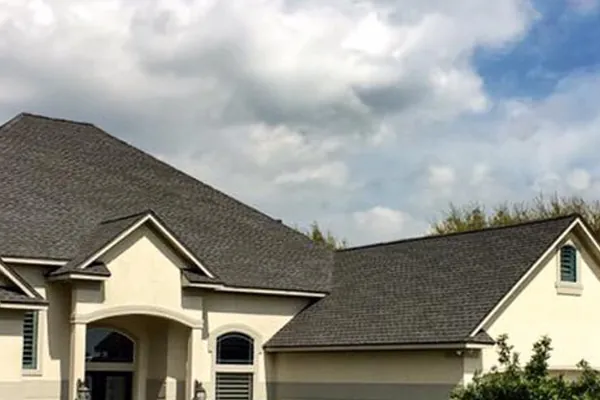
A roof emergency is water coming in now or an opening in the roof: a limb through the decking, shingles torn off by wind, or a ceiling that is sagging or dripping. First, keep everyone safe. Second, limit the water. Third, photograph everything. Then call NHRS at 281-489-1717, Monday to Friday, 9 am to 5 pm, or send the form on this page and we will call you back. We do not run a 24 hour line, and we would rather say so here than surprise you.
What Counts as a Roof Emergency
These need attention as soon as possible: a hole from a fallen limb or debris, shingles or sheathing blown off after high wind, an active leak after hail or a hard rain, water running down an inside wall, or a ceiling that bulges or sags. Each one lets more water into the house every hour it rains.
These can usually wait for a regular appointment: an old, dry ceiling stain, a few missing granules in the gutter, or a shingle that looks curled from the yard. They still deserve a look, and a free roof inspection is the easy way to get one.
First Steps Before Anyone Reaches the Roof
- Stay off the roof. Wet, damaged roofs are slippery and can be weaker than they look.
- Move people and valuables. Clear the rooms under the damage and keep away from sagging ceilings.
- Catch and limit the water. Buckets, towels and plastic sheeting help. Remove standing water and cover broken windows and holes from inside if it is safe.
- Photograph and video everything, inside and out, before and after any temporary fix.
- Save receipts for anything you buy or pay for. The Texas Department of Insurance notes your policy may pay for temporary repairs.
- Report storm damage to your insurance company as soon as possible if you plan to file.
If the problem is a slow drip rather than an opening, our roof leak repair page walks through where leaks usually start.
Source: TDI, after hail or windstorms; TDI, help after a storm.
Tarping: What It Does and Does Not Do
A roof tarp is a short term cover. Fastened well over the damaged area, it keeps rain out until the real repair can be done. It is not a repair. Tarps loosen in wind, break down in sun, and a tarp laid the wrong way can trap water or funnel it under the shingles.
If you need temporary cover, ask about it when you call, and we will tell you what we can do for your roof and when. Whoever puts a tarp on, photograph the roof before and after, and keep the receipt for your insurance company.
How to Reach NHRS
Call 281-489-1717, Monday to Friday, 9 am to 5 pm. You reach our local office in Pearland, not a call center. If the office is closed, send the form at the bottom of this page with your name, phone, address and what happened, and we will call you back. You can also contact NHRS through the contact page.
If You Plan to File an Insurance Claim
The Texas Department of Insurance advises reporting storm damage to your insurer as soon as possible and not making permanent repairs before the adjuster has seen the damage. Temporary fixes that keep more water out are expected, and your receipts matter. When it is time for the real repair, TDI also recommends getting more than one bid and comparing them with the adjuster's report.
The claim is between you and your insurance company, and NHRS does not deal with the insurer for you. Our roof insurance claim steps page lays out the whole process with TDI's deadlines.
Source: TDI, help after a storm.
After the Emergency: Repair or Replace
Once the water is stopped, the question is what the roof really needs. A limb strike or a wind-torn section can usually be fixed with a roof repair. A roof that was already old, or that took damage across many slopes, may be better off with a full roof replacement. If the cause was hail or wind, our storm and hail damage page explains what we check. The inspection gives you the facts, and you make the call.
Hurricane Season and Your Roof
On the Gulf Coast, hurricane season runs from June through November. The cheapest roof emergency is the one that never happens: loose shingles, lifted flashing and clogged valleys are easier to fix on a dry weekday in spring than in the middle of a storm. A roof check before the season starts is worth the time.
Emergency Roof Questions
Is NHRS available 24/7 for emergency roof repair?
No. Our office is open Monday to Friday, 9 am to 5 pm. Call 281-489-1717 during those hours, or send the form on this page with your address and what happened, and we will call you back. If anyone is in danger, call 911 first.
What should I do if a tree falls on my roof?
Get everyone out of the rooms under it and stay clear of the tree and any downed lines. Cover openings only if it is safe from inside. Photograph the damage, report it to your insurance company, then call a roofer to inspect once the tree is removed.
Does insurance pay for emergency roof tarping?
The Texas Department of Insurance says your policy may pay for temporary repairs that prevent more damage. Keep a list of what was done and save every receipt. Ask your insurance company what your policy covers.
How long can a roof stay tarped?
A tarp is a short term cover, not a repair. Wind, sun and rain wear it out, and a loose tarp can hold water or blow off. Plan the real repair as soon as you can and ask the roofer how long your cover should stay in place.
How much does an emergency roof repair cost?
It depends on what broke, how big the area is and what the roof is made of. The inspection and the estimate for the repair are free, so you will know the cost before any work starts.
Can a damaged roof be repaired without being replaced?
Often, yes. A limb strike or a section of blown off shingles can usually be repaired. The inspection tells you whether a repair will hold or whether the roof is far enough gone that a replacement makes more sense. You decide.
Roof Damage? Call the Office.
Get Your Free Roof Inspection
Call now, or send your details and we will call you back.
281-489-1717