
Roof Leak Repair in Pearland & Houston, TX
A leak rarely starts where the ceiling stain is. We find where the water gets in and tell you whether a repair will do.
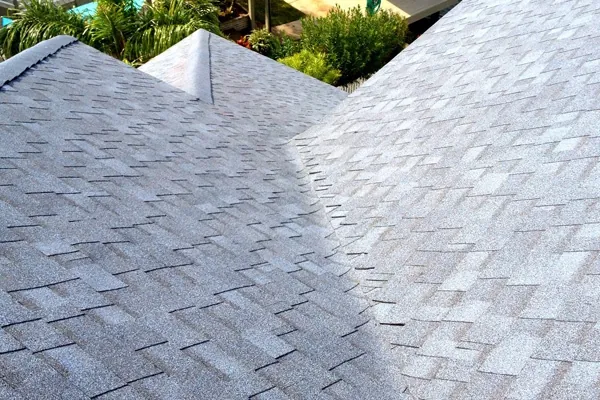
When a roof leaks, first contain the water, protect your belongings and photograph the damage. Most leaks start at flashing, vents, chimneys, skylights or damaged shingles, not in the middle of an open slope, and the water often travels before it shows up on a ceiling. NHRS offers a free inspection that finds the source and tells you whether to repair, replace or leave the roof alone. Call 281-489-1717.
What to Do While the Roof Is Leaking
- Move furniture, electronics and anything valuable out of the way.
- Catch the water with buckets and towels, and keep pets and kids away from the wet area.
- If the ceiling is bulging with water, keep everyone out from under it. Do not climb onto a wet roof.
- Take photos and video of the ceiling, walls and anything wet. If storm damage may be the cause, the Texas Department of Insurance advises photographing the damage and saving receipts for any temporary repairs.
Source: TDI, after hail or windstorms.
Where Roof Leaks Usually Start
Water gets in where the roof changes direction or where something passes through it. The usual suspects are flashing around chimneys, walls and skylights; the rubber boots around plumbing vents; missing or wind-lifted shingles; nails that have backed out; and valleys clogged with leaves. Water can run along decking or rafters before it drips, so the stain on your ceiling is a clue, not the source. Finding that source is the core of any roof repair.
Leaks that show up after a storm
Hail can bruise shingles and crack the mat underneath, and strong wind can lift or tear shingles and loosen flashing. A leak that appears after a storm is worth a full look, because the visible drip may be one of several damaged spots. Our storm and hail damage page explains what we check.
Leaks in a roof that is simply old
Older shingles lose granules, turn brittle and stop sealing down. When a roof has been patched more than once and leaks somewhere new, a repair may only buy time. The inspection tells you how much life the roof has left.
Temporary Fixes: What Helps and What to Skip
A properly fastened tarp over the damaged area can keep rain out for a short time. Roof cement, caulk and spray sealants from the hardware store are a different story: they can slow a drip, but they often hide the source, trap water underneath and make the real repair harder.
If you plan to file an insurance claim for storm damage, TDI advises not making permanent repairs before the adjuster has seen the damage. Temporary steps to stop more water are fine. If water is pouring in, see our emergency roof repair page for first steps.
Source: TDI, help after a storm.
How NHRS Finds and Fixes a Leak
Call or send the form, and we set up a free roof inspection. We look at the roof and the leak area, find where the water is getting in, and tell you plainly whether a repair will hold, whether the roof needs replacing, or whether it is fine. You get a free estimate, and you decide. Most of our work is on homes, and we also handle leaks on commercial roofs.
Repair or Replace After a Leak?
A single leak at a vent boot or a few shingles on a roof in good shape is a repair. Several of these point the other way: the roof is near the end of its life, it leaks in more than one place, the decking under the leak has gone soft, or it has already been patched more than once. Then a roof replacement may cost less over time than repeated repairs. The inspection gives you the facts for your roof.
Will Insurance Cover a Roof Leak?
It depends on the cause and your policy. Sudden damage from a storm is treated differently from wear and age. TDI explains that replacement cost coverage pays up to the full cost of a repair at current prices, while actual cash value coverage can pay less if the roof is older or worn. If storm damage caused the leak, report it to your insurance company as soon as possible. NHRS does not deal with your insurer for you, but our roof insurance claim steps page walks through the process.
Source: TDI, Insurance and your roof.
Roof Leak Questions
What should I do if I have a roof leak?
Move what you can away from the water, catch the drip, and take photos of the ceiling and anything wet. Stay off the roof. Then call 281-489-1717, Monday to Friday, 9 am to 5 pm, or send the form on this page so we can set up an inspection.
How much does roof leak repair cost?
It depends on where the leak starts, how much is damaged and what the roof is made of. A lifted shingle is a different job from rotten decking around a chimney. The inspection and the estimate are free, so you know the cost before any work starts.
Can a roof leak be repaired without replacing the roof?
Often, yes. Most leaks start at one spot, such as flashing, a vent boot or a few damaged shingles, and can be repaired. If the roof is old and leaking in several places, a replacement may make more sense. The inspection tells you which.
Does homeowners insurance cover a leaking roof in Texas?
It depends on what caused the leak and on your policy. Sudden storm damage is treated differently from wear and age, and some policies pay less on an older roof. Ask your insurance company or agent, and report storm damage as soon as possible.
What happens if a roof leak is left untreated?
Water keeps soaking the decking, framing and insulation. Over time that means rotted wood, wet insulation that stops working, stained ceilings and a risk of mold. A small repair now is usually far less work than the damage a slow leak causes later.
Will a sealant like Flex Seal stop a leaking roof?
A sealant can slow a leak for a while, but it is a stopgap at best. It can hide where the water is really getting in and trap moisture under it. A roofer needs to find the source and fix it properly.
Roof Leaking? Call the Pearland Office.
Get Your Free Roof Inspection
Call now, or send your details and we will call you back.
281-489-1717