
How to File a Roof Insurance Claim After Hail in Texas: A 5-Step Guide

Hail hits your home and the damage is not always immediately obvious. You might see shingles in the yard or spot leaks during the next rain, but your first move can impact your eventual settlement. A wrong first step with the insurer can cost you money. This guide provides the full path: documenting the damage, reading your policy, filing the claim, meeting the adjuster, evaluating the settlement, and handling the roofer. It also covers the pitfalls most other guides skip. This is general guidance. Your specific policy and insurer decide coverage, and every policy differs. NHRS Roofing is a Pearland, TX roofer. This guide concludes with a free roof inspection.
Key Takeaways
- Document the roof and the date of the storm before you call the insurer, and do not make permanent repairs before the adjuster sees it.
- Read your policy first: the deductible (including any separate wind and hail deductible), ACV vs. replacement cost, and the claim deadline.
- Be factual with the adjuster: describe what you saw and do not guess, downplay or speculate about older damage.
- A settlement offer is not final. You can ask for the adjuster's line-item reasoning, send a supplement, or use the appraisal clause if your policy has one.
- In Texas a roofer cannot act as your public adjuster or cover your deductible. Treat any contractor who offers either as a red flag.
What Texas Homeowners Insurance Covers for Hail Damage

Most homeowners insurance policies in Texas treat hail as a covered peril, meaning the policy covers sudden and accidental storm damage. Insurers typically exclude issues caused by age, wear, poor installation, or neglect. To determine if a claim is realistic, you must understand what an adjuster looks for. Typical hail damage includes bruised or cracked shingles with granule loss, dented vents, damaged flashing, dented gutters, and soft metal accents. These dents and bruises serve as the primary evidence for storm damage.
Insurers draw a strict line between hail damage and damage caused by the natural aging of materials. Because of this, thorough documentation is essential. Some policies contain cosmetic damage exclusions, particularly for metal roofing, or specific roof endorsements that change how a claim is handled. You should check your policy for these specific terms. For more information on how these processes work, visit our guide on roof insurance claims. The Houston area gets storms, and NHRS Roofing is in Pearland, TX and serves the area.
Step 1: Document the Roof Damage Before You File
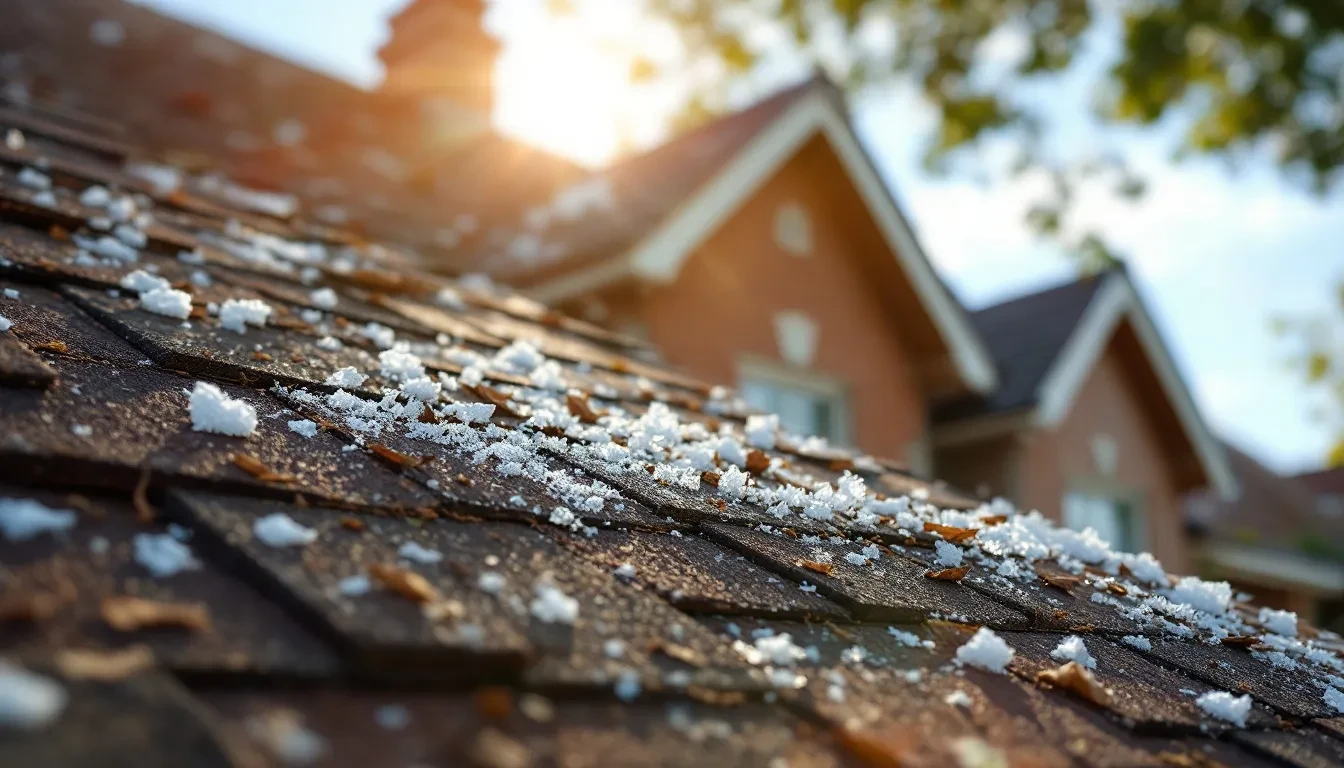
Safety is your first priority. Stay off a wet or damaged roof to avoid falls or injury. You can document much of the storm damage from the ground using a phone zoom or by using a ladder to check what is safe to see from the eave only if you feel comfortable doing so. Photograph and note damaged shingles, dented gutters, downspouts, vents, flashing, window screens, siding, fences, and patio furniture. If you see interior ceiling stains or drips, photograph those as well to show the connection between the roof and the interior.
Record the specific date of the storm and when you first noticed the damage. Keep all date-stamped photos and short videos, and write down a basic timeline of events. If you must make temporary repairs, such as placing a tarp over an open area to stop more damage, keep all receipts and take photos of the area before the tarp is applied. Do not make any permanent repairs before the insurance adjuster inspects the roof. A professional inspection can confirm if hail damage is present before you file, which helps you decide if the damage is worth a claim. Review these related pages for more information on hail damage roof repair and hail damage roof repair.
Step 2: Review Your Policy Before Contacting Your Insurance Company
Pull your full policy documents and the declarations page before you contact your insurance company. Do not rely on a summary alone. You must identify your deductible amount, check for a separate wind and hail deductible, and look for a roof replacement schedule or an ACV roof endorsement. Also, check for cosmetic damage exclusions and locate the deadlines for filing a claim or providing proof of loss. Your policy sets a deadline for reporting damage, and Texas law also limits how long you can wait to sue. Late reporting gives the insurer a reason to dispute the claim, and evidence of damage often fades over time. If an insurer fails to follow state regulations, the Texas Department of Insurance is the agency that oversees insurers and handles consumer complaints. Ultimately, the decision to file a claim rests with the homeowner.
The Policy Terms That Decide Your Payout
- Deductible: The amount you pay out of pocket before coverage begins.
- Wind and hail deductible: A specific amount, often a percentage of coverage, applying to storm damage.
- ACV (Actual Cash Value): Replacement cost minus depreciation based on age.
- Replacement Cost Value: Pays the full cost, sometimes releasing held depreciation after repairs are documented.
- Exclusions: Coverage limits for wear, neglect, or cosmetic damage.
When Filing May Not Be Worth It
Compare your deductible to the estimated repair cost. If the repair is smaller than or close to your deductible, a claim may not pay anything. Insurance claims are recorded on your history with the insurer and can affect future renewal or pricing. A professional roof inspection helps you decide if a claim is necessary before you notify your insurance company.
Step 3: File Your Hail Damage Claim the Right Way
Once you have decided to proceed, you should file the insurance claim with your insurance company. Most carriers allow you to start this process through their mobile app, an online portal, or by calling their claims department directly. When you contact them, have your policy number, the storm date, and a brief, factual description of the hail damage ready. It is helpful to have your photos prepared to share if requested. Always ask for a claim number and request that the adjuster's name and contact details be sent to you in writing.
In Texas, there are specific timelines regarding how insurance companies must handle your claim. After you provide notice of the claim, the insurer is required to acknowledge it within 15 days. During this time, they must also begin an investigation and request any necessary items from you to process the claim. Once they have received all requested information, the company must accept or reject the claim in writing within a set period. It is wise to keep a detailed log of every interaction, including the date, time, and the name of the person you spoke with. Following up via email is a good way to ensure there is a written record of all communications regarding your insurance claim. If the insurer misses these required steps, you can raise the issue with them in writing or file a complaint with the Texas Department of Insurance (TDI).
Step 4: What to Expect During the Adjuster Inspection
The adjuster works for your insurance company, so approach the meeting with a professional and cooperative attitude. Being prepared helps the entire process move more smoothly while the adjuster assesses the storm damage.
How the Adjuster Inspection Works
Be present during the inspection. Have your documentation, including your timeline and photos of the damage, ready to show the adjuster. Walk them around the property to point out the specific areas you documented, including any interior stains or drips. Typically, the adjuster will walk the roof, check various slopes for hail hits, mark test squares, photograph vents and flashing, and take measurements. They may also look for signs of age or wear. You may invite a roofer to attend the inspection to point out damage. A roofer can show what they found, but they do not negotiate the claim for you. Always ask for a copy of the report and photos, and ask when to expect the estimate.
What Not to Say to an Adjuster
Casual comments can be written into the official claim file and used to attribute damage to wear. Follow these guidelines:
- Do not guess at the cause or the age of damage if you are unsure: guesses can lead to incorrect findings in the report.
- Do not call your roof old or worn: these terms suggest maintenance issues rather than sudden storm damage.
- Do not downplay issues with phrases like it is probably fine: this can lead the insurer to overlook legitimate damage.
- Do not exaggerate: inflating the extent of damage can damage your credibility.
- Do not agree to a quick settlement on the spot: you need time to review the offer.
- Do not sign anything you have not read: you must understand exactly what you are authorizing.
Answer only what is asked, stick to facts and dates, and say you will check and get back to them when unsure.
Step 5: Review Your Settlement Offer (ACV vs. Replacement Cost)
Once the insurance company makes a decision, you must review the settlement offer carefully. Compare the estimate line by line with the estimate provided by your roofer. Check that the quantities for shingles and underlayment match, and ensure that items like flashing, vents, drip edge, gutters, and code requirements are all included. If your roofer identifies necessary work that the insurer missed, you may need to address it. The first offer is just a starting point, not necessarily the final settlement for your claim or roof repair.
ACV, Replacement Cost and Roof Age
Understanding how the insurer decides to pay is essential. Actual Cash Value (ACV) is the replacement cost of the materials minus depreciation. Because of this, an older roof will receive a smaller check because the insurer accounts for the age and remaining life of the shingles. Replacement Cost Value (RCV) aims to pay the full cost, sometimes releasing held-back depreciation only after the work is completed and documented. You must confirm what your recoverable depreciation is and what paperwork is required to release it. Your roof age is the primary driver of this depreciation. Check your policy or declarations page to see if you have an ACV-only endorsement or a specific roof payment schedule.
If You Disagree: Supplements, Appraisal and TDI
If you find more damage after a roofer removes the old shingles, such as damaged decking or hidden flashing issues, your contractor can document this with photos. This is called a supplement, which is sent to the insurer for additional payment. If you cannot agree on the amount of loss, many policies include an appraisal clause. This allows each side to hire an appraiser, with an umpire if they disagree, to settle the price dispute and not coverage denials. Read the clause for the process and costs involved. If the insurer fails to follow proper claim handling rules, raise the issue with them in writing; you can then file a complaint with the Texas Department of Insurance.
What a Roofing Company Can and Cannot Do During Your Claim
A roofing company serves as an expert partner during the storm damage process, but the legal relationship for the claim itself remains between you and your insurance provider. A professional roofing company is there to inspect, document, estimate, and perform the necessary roof repair or replacement once the claim is approved. Understanding these boundaries helps you maintain control over your property and your insurance policy.
What a Roofer Can Do
A legitimate roofing company provides several essential services to assist your claim. They can inspect the roof to find hail damage, provide detailed photographic evidence, and give you a written estimate for the work. Many homeowners find it helpful to have a roofer meet the insurance adjuster on-site to point out specific damage. If a contractor uncovers hidden damage after a tear-off, they can document it for a supplement. Finally, they perform the actual roofing work once your claim is processed. A roofer's inspection is a way to know before filing whether the damage looks worth a claim.
What a Roofer Cannot Do, and Red Flags
Texas law and the Texas Insurance Code set strict limits on contractor activities. A roofing company cannot perform the following:
- Act as your public adjuster or negotiate the claim on your behalf.
- Cover or rebate your insurance deductible.
- Force you to sign an Assignment of Benefits (AOB) that hands over control of your insurance payments.
Treat any offer of a free roof or a covered deductible as a red flag. Watch for these signs from storm chasers:
- Door-knocking immediately after a storm.
- Out-of-area license plates and no local office.
- No written estimate provided.
- Demanding large upfront cash payments.
- Being vague about the deductible.
Reputable local roofers have a physical office and a track record. If you need a professional assessment, contact NHRS Roofing to discuss your needs.
Common Mistakes That Delay or Deny Roof Insurance Claims in Texas
Filing a claim involves technical steps where small errors can lead to significant issues. One common mistake is waiting too long to report the storm damage. Most policies have strict reporting deadlines, and late filing gives your insurance company a reason to argue that the damage resulted from general wear or a later storm rather than the specific hail event. Another major pitfall is making permanent repairs to the roof before the adjuster has had the chance to inspect the site. Once the damaged shingles or flashing are replaced, the evidence of the storm damage is gone, making it difficult to prove the loss.
Homeowners often make mistakes by skipping thorough photographic documentation or failing to keep a detailed log of communications with the insurer. It is also common to experience surprises regarding the final payout because the homeowner did not read the policy to understand the specific wind and hail deductible. Casual statements made to an adjuster regarding the age or condition of the roof can also be used to deny a claim based on maintenance issues. Finally, avoid accepting the first settlement offer without a line by line check, signing AOB contracts before a claim is approved, or letting a contractor handle the communication with your insurance company instead of managing the process yourself. Filing a claim when the repair is smaller than the deductible, or filing for wear that insurers treat as maintenance, can also cause issues. For more help with the process, visit our roof insurance claims resource.
Get a Free Roof Inspection from NHRS Roofing in Pearland, TX
NHRS Roofing is based in Pearland, TX, and we serve the Houston area, including Pearland, Friendswood, Manvel, Alvin, League City, Pasadena, Sugar Land, and Missouri City. A professional inspection can help you determine if your roof needs a repair, a replacement, or nothing at all. This helps you understand your situation before you decide whether to file a claim. Our company has a 4.6 star rating from 56 reviews on Google Business Profile. To schedule your free roof inspection, please call (281) 489-1717 or visit our contact page.
FAQ
How long after hail damage can I file a claim?
Your insurance policy sets the specific deadline for reporting a claim. Texas law also establishes limits on how long a homeowner can wait before filing a lawsuit. You should read your policy carefully and file your claim promptly. Waiting too long allows an insurer to argue that the damage resulted from age or a different storm event.
Will insurance cover a 20 year old roof in Texas?
Coverage is possible if the hail caused the damage, but the payout depends on your specific policy. ACV policies subtract significant depreciation for older roofs. Some policies include specific roof payment schedules or exclusions for older shingles. Check your declarations page and ask your insurer in writing how they calculate payments for aged roofs.
What not to say to insurance adjuster about roof?
Avoid guessing at the cause or age of the damage. Do not tell the adjuster the roof was already in bad shape or call it old and worn. Do not downplay the damage or exaggerate the severity. Do not agree to a quick settlement on the spot or sign anything you have not read. Stick to facts, dates, and photos.
When should you not file a home insurance claim?
A claim may not be worth filing if the repair cost is smaller than or close to your deductible. It is also unwise to file a claim for damage that is actually just routine maintenance or general wear. If it is unclear whether any damage exists, a free roof inspection can help you decide. Remember that the claim is recorded with the insurer.
How do I know if my roof has hail damage worth claiming?
Look for signs like bruised or cracked shingles, granule loss, dented gutters, dented vents, or soft metal accents. You might also see interior ceiling stains or drips. Compare a professional roofer's estimate for the damage against your deductible. NHRS Roofing offers a free roof inspection to help you identify these issues.
Can a roofing company file a claim on my behalf in Texas?
The homeowner is responsible for filing the claim. While a contractor can inspect, document, and estimate the damage, they cannot legally act as your public adjuster or negotiate the claim for you. Be cautious of any contractor who asks you to sign an assignment of benefits or offers to cover your deductible.
Book a Book a free roof inspection with NHRS Roofing so you know what your roof needs before you file: https://www.nhrsroofing.com/contact/ or call (281) 489-1717.