
Houston Heights · 77008
Roofing in Houston Heights
The Heights began in 1891 as a planned suburb, and many of its older homes are now protected by City of Houston historic districts. A roof here is part of a streetscape, not just a house.
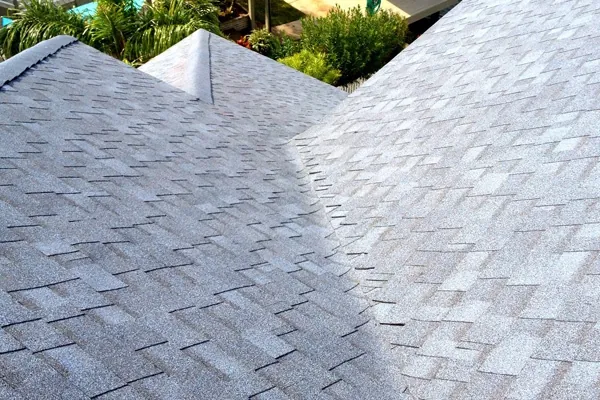
Key facts for Houston Heights
- Houston Heights was founded in the 1890s as a streetcar suburb, ran its own city government from 1896 until annexation in 1919, and is about 4 miles northwest of Downtown.
- About 100 houses and other properties in the Heights have been listed on the National Register of Historic Places between 1980 and 2017.
- Three City of Houston historic districts cover parts of the Heights: Heights East, Heights South and Heights West.
- Per ACS 2024 five-year figures, homes in ZIP 77008 carry a median value of $642,600 and a median build year of 2002.
Median Year Built 2002 in a Neighborhood From 1891
The ZIP 77008 median of 2002 looks odd next to a founding date of the 1890s, and it is a good reminder of how the Heights changed. Since the 1990s, Wikipedia notes, buyers have renovated historic houses and demolished some to build newer, larger ones, so the ZIP now holds a mix of century-old bungalows and recent construction.
For roofing, that means two kinds of job. On a century-old house, the question is how to replace the roof without changing the character the district protects. On a recent house, a typical replacement applies, and the preservation question may not arise at all.
The City points out that a noncontributing building in a district does not need a certificate for ordinary maintenance, while a contributing one has stricter alteration rules. Which one yours is can be checked on the City's property list.
Planning a Heights Roof Project in Order
A few calls before the roof comes off save trouble later.
- Check the district list. See whether your address is on the City's property list and how it is classified.
- Describe the work. Same material, same shape and pitch, or something different?
- Ask the Office of Preservation. Staff can tell you at 832-393-6556 whether a certificate is needed.
- Ask the Permitting Center. A certificate is separate from a building permit, so ask about both.
- Book the roof visit. We then inspect the roof and write up the scope around those answers.
How the Heights Went From Its Own City to Three Historic Districts
Oscar Martin Carter and a group of investors bought 1,756 acres in the early 1890s and laid out streets, parks, schools and utilities. Wikipedia says the Heights was incorporated as its own municipality on July 1, 1896, with its own schools, hospital and emergency services, and agreed to annexation by Houston in 1919 when tax revenue could not carry the school system.
After World War II the area declined, and in 1973 the Houston Heights Association was formed to turn that around. The Heights has gentrified since the 1990s, with renovations and some demolitions. Today three City historic districts, East, South and West, cover parts of it, and each has its own adopted design guidelines, according to a Heights real estate group's summary.
The result is a neighborhood with strong rules about what can change on a street-facing house, a lot of original fabric, and many owners who care about it. A roofer working here has to be comfortable with that.
- Look up your address on the City's historic district property list
- Find out whether the house is contributing or noncontributing
- Ask the Office of Preservation if the work counts as ordinary maintenance
- Check the City permit requirement with the Permitting Center
Houston Heights Facts for Roofing
| Fact | Detail | Where it comes from |
|---|---|---|
| ZIP code | 77008 | Source |
| Median year built, ZIP 77008 | 2002 | Source |
| Median home value, ZIP 77008 | $642,600 | Source |
| Founding | Planned by the Omaha and South Texas Land Company on 1,756 acres; incorporated as a city on July 1, 1896; annexed by Houston in 1919 | Source |
| Elevation | The area is described as 23 feet higher than Houston proper | Source |
| National Register | About 100 houses and properties listed between 1980 and 2017 | Source |
| City historic districts in the Heights | Heights East, Heights South and Heights West, with adopted design guidelines | Source |
| Re-roof exemption | Reroofing with in-kind materials with no change to structure, shape or pitch needs no certificate of appropriateness | Source |
| Drive from our office to the Heights | About 22.7 miles and 35 minutes by road | OSRM estimate |
Heights Roofing: Owner Questions Answered
Do Heights homeowners always need a certificate of appropriateness to re-roof?
No. The City ordinance lists reroofing with in-kind materials, with no change to the structure, shape or pitch of the roof, among work that does not need one. Anything beyond that is for the preservation office to classify.
Is a Heights house automatically in a historic district?
No. Three districts cover parts of the Heights, and your address may be inside or outside. The City publishes a property list.
Is the Heights in a windstorm inspection zone?
No. TDI windstorm rules apply to first tier coastal counties and a short list of Harris County cities east of State Highway 146.
Why do Heights roofs look so different from block to block?
The neighborhood mixes houses from the early 1900s with recent rebuilds, and some blocks are in historic districts while others are not.
Sources: ZIP code · Founding · City historic districts in the Heights · Re-roof exemption · City of Houston certificate of appropriateness · Houston Permitting Center. Census figures are ZIP-wide medians from the ACS 2024 five-year estimates, not your house.
Need a Heights Roof Looked At?
Call the Pearland office on weekdays between 9 am and 5 pm, or send the form below. We will come to the Heights to see the roof.
Get Your Free Roof Inspection
Call now, or send your details and we will call you back.
281-489-1717